
2025 CX Careers Trends Roundup: What LinkedIn Surveys Reveal

9 Minute Read
12/18/2025
Key Takeaways
- Prioritize career development and a supportive culture. In 2025, CSRs are looking for more than just a job. They stay with companies that offer clear growth opportunities and foster a positive, respectful work environment.
- Recognize that soft skills are essential. Empathy and active listening were identified as the most crucial skills for success, proving that human connection remains at the heart of excellent customer service.
- Address key challenges like burnout and career visibility. High workload and a lack of clear advancement pathways are significant pain points. Employers can improve retention by creating sustainable workloads and transparent career ladders.
- Understand the core motivations of your team. For many, a customer service role is vital for supporting their family. Fair compensation, stability, and a sense of purpose are powerful drivers of loyalty and engagement.
2025 has been a pivotal time for customer experience (CX) workforce. As companies navigated new economic realities and evolving customer expectations, the voices of customer service representatives (CSRs) became more important than ever. To understand what truly matters to them, we conducted a series of LinkedIn polls throughout 2025, gathering insights from thousands of CSRs, jobseekers, and industry professionals.
This roundup explores what CSRs value in a role, the skills they are actively building, and how companies can better support their most vital asset. We will uncover the core motivations that drive today’s customer service professionals and provide actionable takeaways for employers.
Understanding the Data: Our Methodology
To get a reliable pulse-check on the 2025 customer service job market and workforce trends, we turned to LinkedIn. The platform's global reach allowed us to connect with a diverse audience of BPO professionals, team leaders, and individuals seeking to grow their careers in customer service.
Throughout the year, TTEC ran several polls asking specific questions about job priorities, skill development, career challenges, and professional motivations. With hundreds of responses for each survey, the collective data provides a clear and valuable snapshot of the trends shaping the industry.
Top Priorities for CSRs in 2025
The surveys highlighted a clear shift in what customer service professionals are looking for in an employer. While compensation remains important, a supportive work environment and opportunities for growth have become equally critical.
Work Environment & Flexibility
A positive work environment is non-negotiable. CSRs are looking for team cultures built on manager support and mutual respect. The growing desire for mental-wellness-friendly workplaces reflects the need for employers to recognize and address the pressures of the role. While preferences for hybrid versus on-site work vary, the underlying theme is a need for more flexibility and a people-first approach.
 Want more insights from real customer service professionals? Explore the latest CX career blogs, read TTEC employee stories and discover global CSR opportunities on TTECJobs.com.
Compensation & Career Stability
In a world of rising inflation and market shifts, salary transparency is trending upward. CSRs expect fair compensation that reflects their skills and the demands of the job. Beyond base pay, benefits, bonuses, and perks that contribute to financial well-being and work-life balance played a significant role in employee satisfaction and retention throughout 2025.
Career Growth & Upskilling
The idea of customer service being "just a job" is fading. Today’s professionals view it as a career with clear pathways for advancement. Our surveys showed a rising interest in cross-skilling, particularly in areas that blend technical knowledge with service excellence. CSRs are actively seeking certifications and micro-learning opportunities to expand their capabilities and prepare for future roles.
The Most In-Demand Skills CSRs Focused On
When we asked which skills make great service possible, the response was overwhelming. The data reveals a strong focus on the human elements of customer interaction, even as technology evolves.
Our October survey during the Customer Service Week celebration asked which “mission skill” is most crucial for excellent service. Here’s what nearly 600 professionals said:
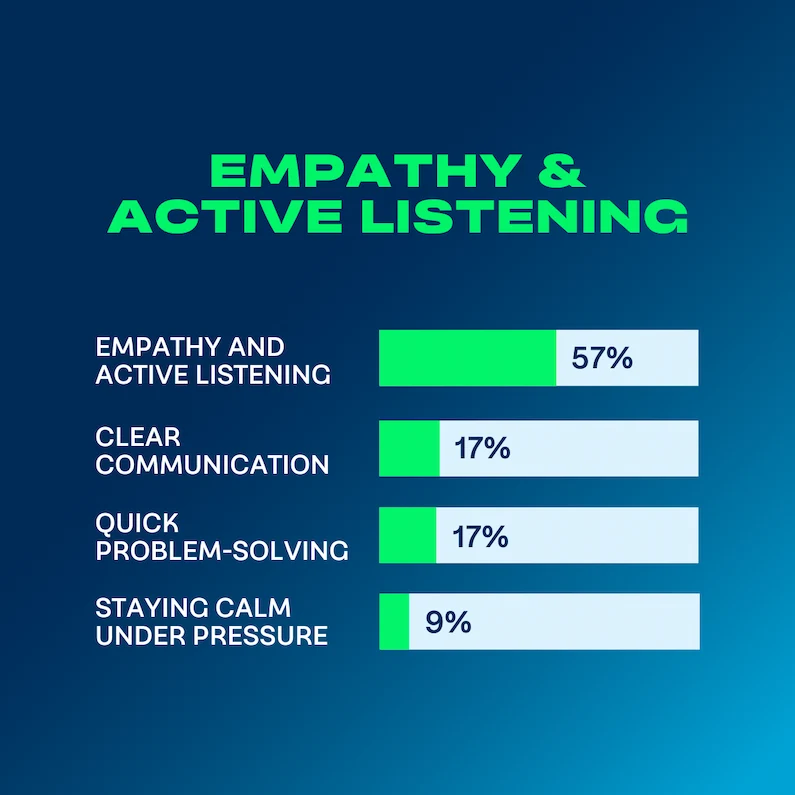
Empathy and active listening (57%) was the top skill CX professionals deemed most important. These results emphasize that soft skills are the foundation of exceptional customer service.
In September, we also asked how a career in customer service has shaped individuals personally and professionally. The answers reinforced the value of these skills:
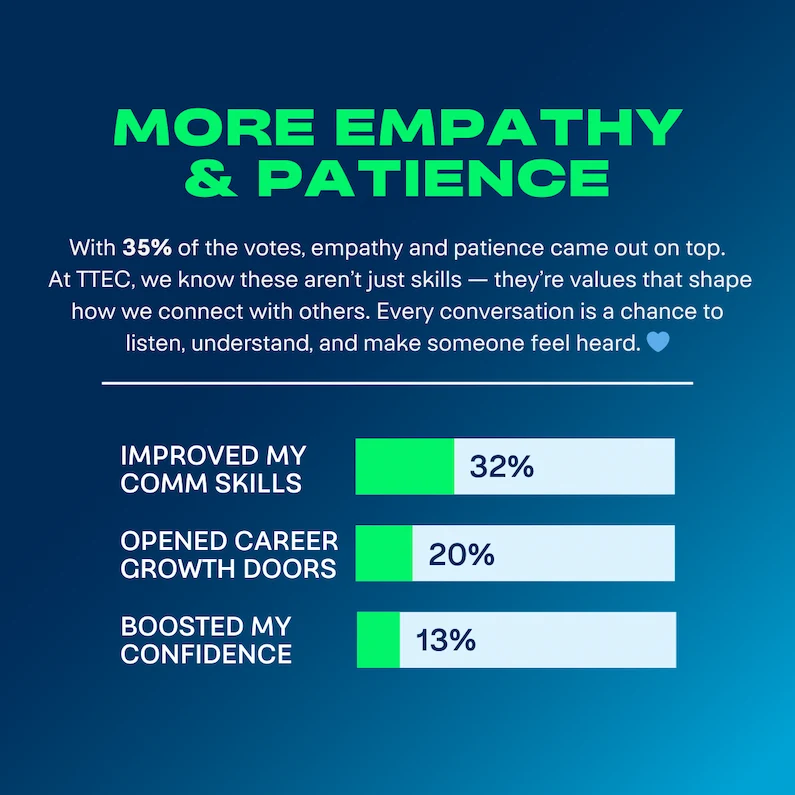
According to 35% of respondents, they gained more empathy and patience through their CSR careers. This focus on empathetic, clear, and patient communication shows that CSRs are not just solving problems; they are building relationships and honing universally valuable skills.
Key Challenges CSRs Highlighted in 2025
Despite the many rewards, a career in customer service comes with its share of challenges. Our conversations and surveys shed light on the most significant hurdles professionals faced this year.
High Workload & Stress
Rising customer expectations and spikes in interaction volume contributed to high levels of stress. The pressure to resolve issues quickly and effectively can lead to burnout if not managed with proper support and resources. Listening to feedback about workload is the first step to creating a more sustainable work environment.
Lack of Career Visibility
Many CSRs expressed a need for clearer, more transparent pathways for promotion and internal mobility. Without visible career ladders, talented professionals may feel stuck and look for opportunities elsewhere. Companies that map out growth opportunities are more likely to retain their top performers.
Technology & Training Gaps
While technology is meant to empower CSRs, it can become a point of frustration without proper training. Professionals indicated a desire for more in-depth coaching on tools and systems, moving beyond simple KPI tracking. They want to master the technology at their disposal to serve customers better.
 A supportive culture makes all the difference. This is what also made us a Great Place To Work®. Learn how people-first teams are built through our blogs on TTECJobs.com.
What Motivates CSRs to Stay or Leave?
Understanding the factors that drive loyalty and attrition is crucial for any organization. Our surveys provided direct insight into what makes a customer service professional feel valued versus what pushes them to seek new opportunities.
A June poll with over 550 votes revealed what keeps people at a company long-term. The top drivers were:
 Growth Opportunities (46%) are the number one reason people stay is the chance to build a career. Followed by a supportive culture, job stability and excellent benefits, all of which are strong contributors to overall satisfaction.
Conversely, factors like rigid schedules, limited career growth, unsupportive management, and compensation that doesn't match the workload are common reasons for leaving.
A May survey of over 400 people asked what goal landing a customer service role would help them achieve. The top answer, with 46% of the vote, was to Support their Family. This was followed by building a career they’re proud of (29%) and gaining valuable experience (17%). This highlights that for many, a CSR role is the bedrock of their financial stability and professional aspirations. When these fundamental needs are not met, retention suffers.
Join TTEC: A Global Leader in Customer & Employee Experience
TTEC, a customer experience innovator, operates across 6 continents in countries such as Greece, Poland, and India, and employs over 55,000 individuals fluent in 50 languages. Our commitment to excellence is evident in our award-winning culture, highlighted by our 2024 accolades like Top 10 Operations Teams, Silver Certification in MLT’s Black Equity Program, and recognition as one of the UK’s Best Workplaces.
With an employee satisfaction rating of 4.1 out of 5 on JobStreet, we pride ourselves on creating supportive and flexible work environments that enhance both employee and customer experiences. Find a variety of client-facing and business support roles within a company that values community connections.
Find Your TTEC SparkHow Employers Should Respond
The insights from 2025 offer a clear roadmap for employers. To attract and retain top customer service talent, companies must listen and adapt. Here are some recommendations based on the trends we observed:
- Build Visible Career Ladders: Show your team what’s next. Create and communicate clear pathways for advancement, whether into leadership, training, or specialized technical roles.
- Invest in Real Training: Go beyond metrics. Offer robust coaching on systems, communication skills, and emotional intelligence. Support upskilling and cross-skilling initiatives.
- Foster a People-First Culture: Prioritize well-being. Acknowledge the pressures of the role and build a supportive environment where managers are coaches, not just supervisors.
- Offer Flexibility Where Possible: Recognize the need for work-life balance. Explore hybrid options, flexible scheduling, or other policies that demonstrate trust and respect for your team’s time.

Our 2026 Job Market Predictions
The 2025 job market saw major shifts in workforce behavior. Looking ahead, we anticipate several key trends will continue to shape the customer service landscape:
- Growth of AI-Assisted CSR Roles: AI will become a powerful partner for CSRs, handling routine queries and freeing up humans to focus on complex, high-empathy interactions.
- Increased Demand for Upskilled Talent: As technology evolves, roles will become more specialized. Professionals with both technical knowledge and strong service skills will be in high demand.
- More Global and Remote-Friendly Positions: Companies will continue to broaden their talent pools, creating more opportunities for remote work and global collaboration.
- Emotional Intelligence as a Differentiator: With AI handling the basics, the ability to connect with customers on a human level will become the most valuable skill a CSR can possess.
The Future is Human-Centric
The surveys from 2025 taught us that today’s customer service professionals are driven, skilled, and ambitious. They seek more than just a paycheck; they want a supportive culture, opportunities to grow, and the chance to build a meaningful career. The most successful companies will be those that listen to these voices and invest in their people.
By focusing on career development, fostering a positive work environment, and valuing the human connection at the heart of customer service, organizations can build teams that are resilient, engaged, and ready for the challenges of tomorrow.
Frequently Asked Questions
What are the biggest changes in customer service roles for 2025?
The biggest shift we're seeing is that customer service is increasingly seen as a vital career path. CSRs are recognized as key drivers of customer experience (CX). And as CX becomes more tech-driven, there is a significant need for companies and CSRs to human-centric. Our surveys show that CX professionals are prioritizing growth, mental wellness, and meaningful work environments. There’s also a huge focus on upskilling, especially in areas like emotional intelligence and technical proficiency, as roles evolve to work alongside new technologies.
Which skills should I focus on to advance my customer service career?
To really stand out, focus on "mission skills" that blend human connection with efficiency. Empathy and active listening are top priorities, with 57% of professionals rating them as essential. Employers are also looking for clear communication, quick problem-solving, and adaptability. Building these soft skills, along with learning new tools or languages, can open doors to leadership roles and specialized positions.
How can companies improve retention and support their support teams?
The key to keeping great talent like you is listening and taking action. Our data suggests that companies should focus on building visible career ladders so you can see a future within the organization. Additionally, fostering a supportive, people-first culture—where managers act as coaches and mental well-being is prioritized—makes a massive difference. Offering flexibility and fair compensation that reflects the workload are also critical steps employers can take to show they value your contribution.
Join us and thrive
Your next opportunity starts here. Whether you're actively searching or simply exploring what’s next. our Talent Community connects you with opportunities that align with your goals.